Things to Look for When Buying a Lake Home
Buying a lake home is a dream for many—peaceful views, water access, and a slower pace of life. But purchasing waterfront property comes with unique considerations that go beyond a typical home purchase. Whether you're looking for a weekend retreat or a full-time residence, here are the key things to evaluate before making your investment.
1. Water Quality and Lake Health
Not all lakes are created equal. Some are crystal-clear and ideal for swimming, while others may have issues with algae, pollution, or murky water. Research the lake’s water quality history, seasonal changes, and any environmental concerns. A beautiful view won’t matter much if the water isn’t usable.
2. Shoreline and Water Access
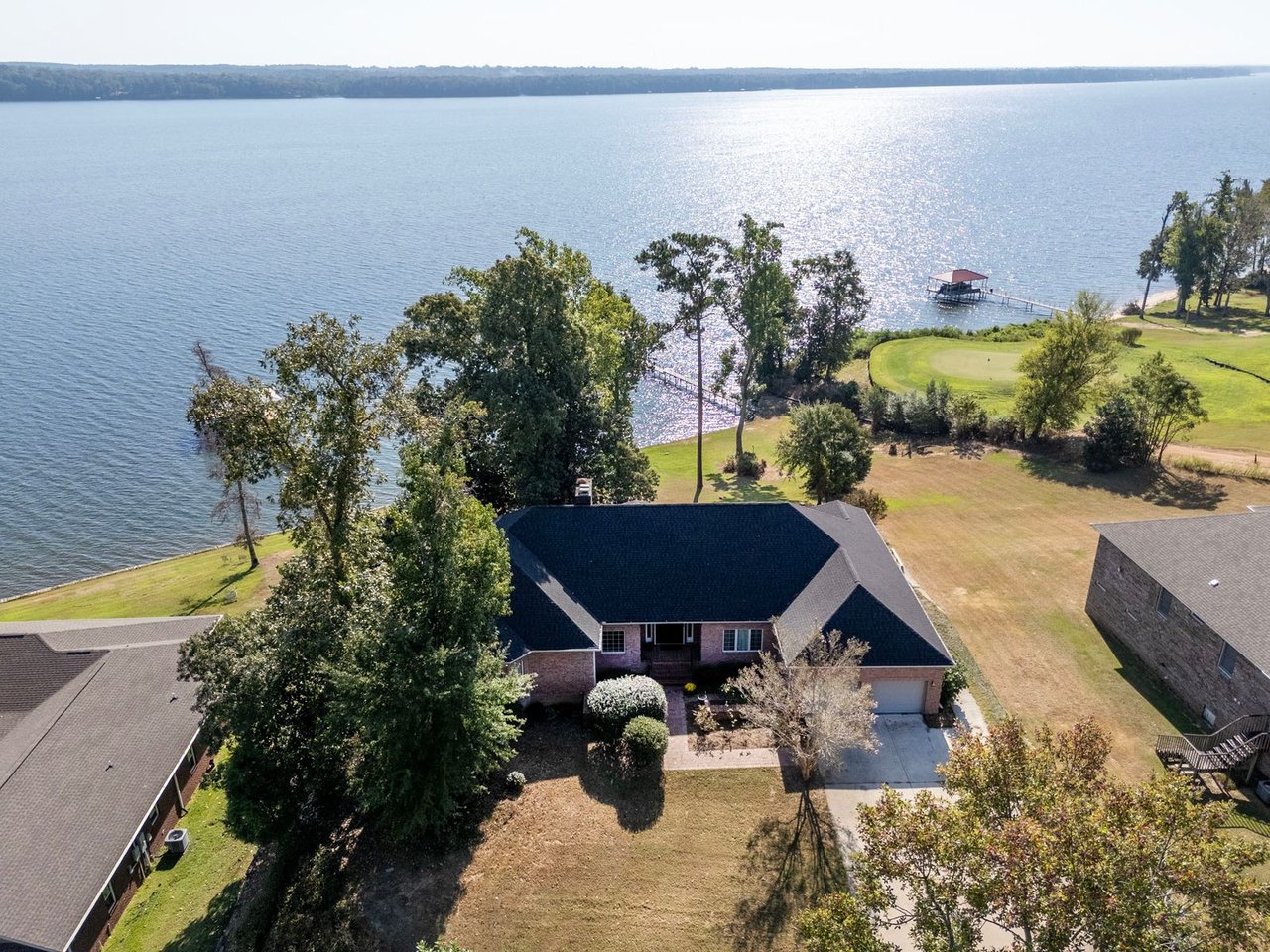
Examine the shoreline closely. Is it rocky, sandy, or muddy? Gradual slopes are great for swimming, while steep drop-offs may be better suited for boating. Also, check if the property includes a private dock or if you’ll need permits to build one.
3. Flood Risk and Elevation
Lake homes can be vulnerable to flooding, especially during heavy rains or seasonal water level changes. Look into flood zones, elevation levels, and whether flood insurance is required. A slightly elevated property can save you major headaches in the future.
4. Property Maintenance Needs
Waterfront homes often require more upkeep due to moisture, humidity, and exposure to the elements. Wood structures, docks, and seawalls may need regular maintenance. Make sure you’re prepared for the additional time and cost involved.
5. Local Regulations and Restrictions
Many lakes have strict rules regarding property use, boating, noise, and construction. Homeowners associations (HOAs) or local governments may limit short-term rentals, dock size, or even exterior changes. Always review these regulations before buying.
6. Year-Round Accessibility
Some lake homes are easy to access in summer but difficult in winter or during storms. Consider road conditions, distance to essential services, and whether the home is suitable for year-round living if that’s your goal.
7. Utilities and Infrastructure
Check how the home is serviced. Is there city water and sewage, or will you rely on a well and septic system? Internet access can also be limited in remote lake areas—important if you plan to work remotely.
8. Views and Sun Orientation
The direction your home faces can affect everything from your morning coffee experience to energy efficiency. West-facing homes often have stunning sunsets, while east-facing properties offer cooler afternoons.
9. Recreation and Lifestyle Fit
Think about how you plan to use the lake. Is it ideal for boating, fishing, kayaking, or just relaxing? Some lakes have restrictions on motorized boats, which can impact your experience.
10. Resale Value and Market Trends
Even if this is your dream home, it’s still an investment. Look into local real estate trends, demand for lake properties, and potential resale value. Unique features like private docks, good water depth, and scenic views can significantly boost long-term value.
Final Thoughts
A lake home can be incredibly rewarding, but it’s important to look beyond the surface. Take the time to research, visit the property in different seasons, and ask plenty of questions. With the right preparation, you can find a lake home that offers both relaxation and a smart investment for years to come.