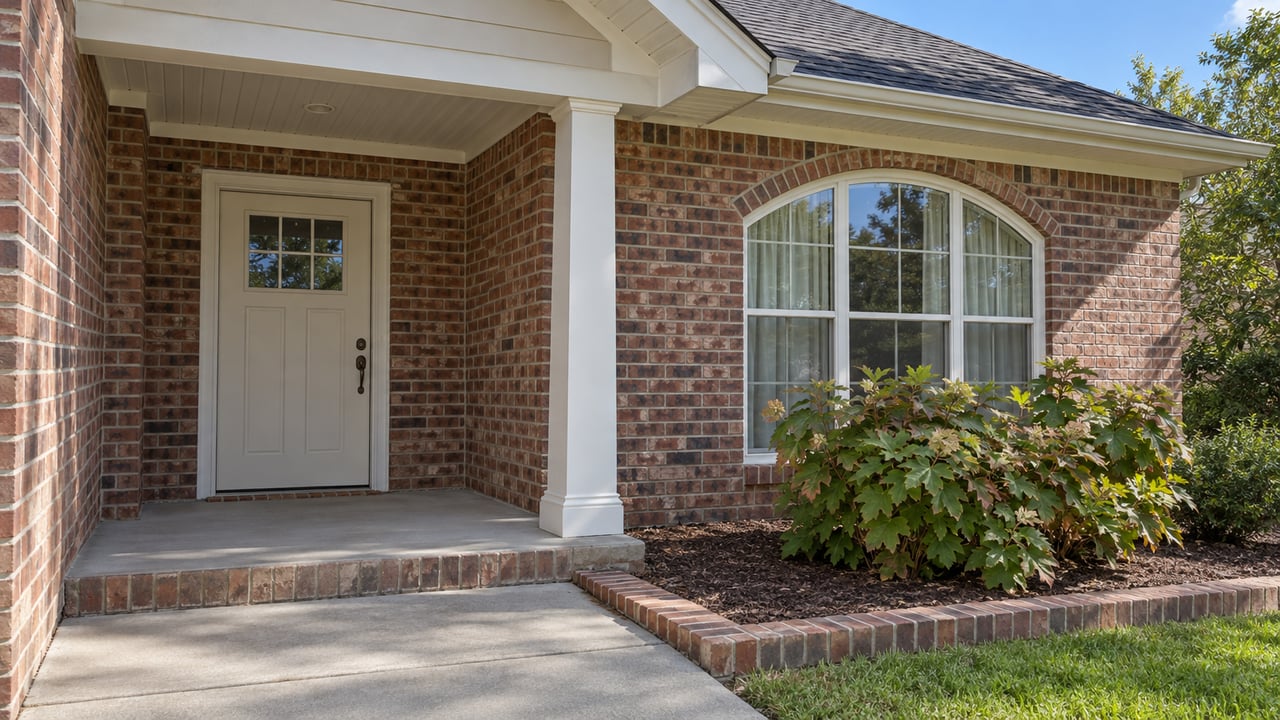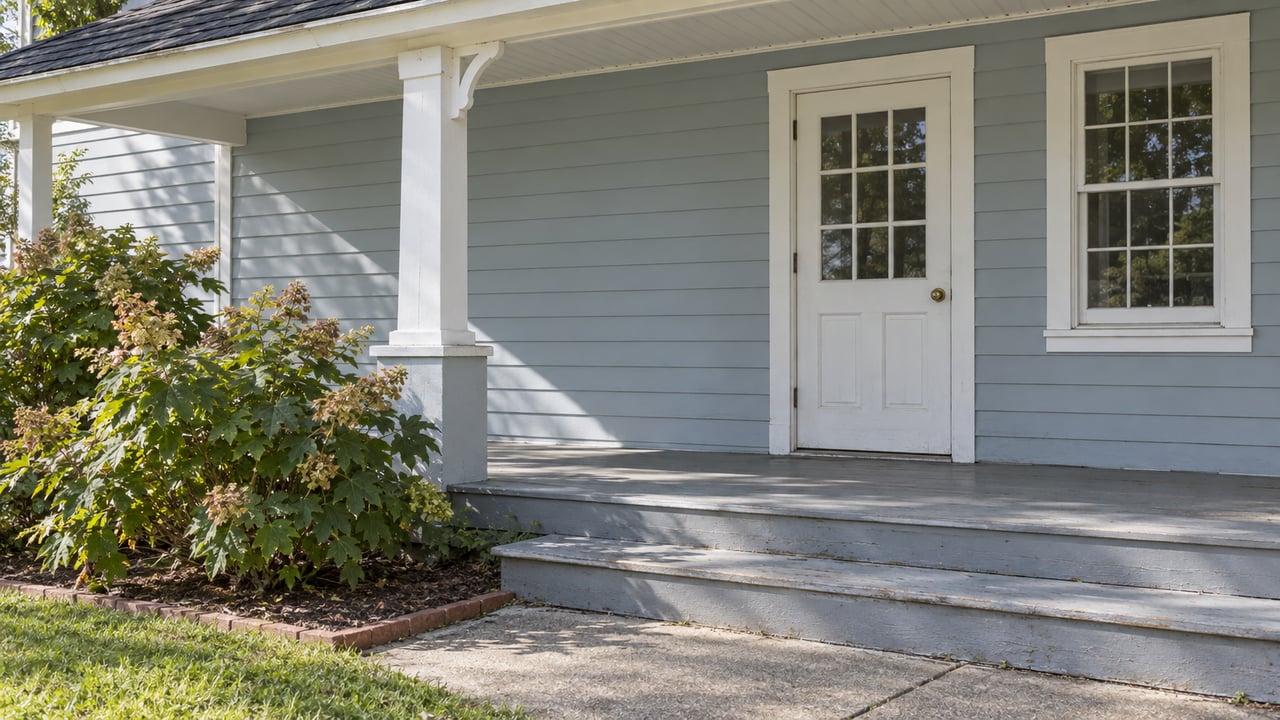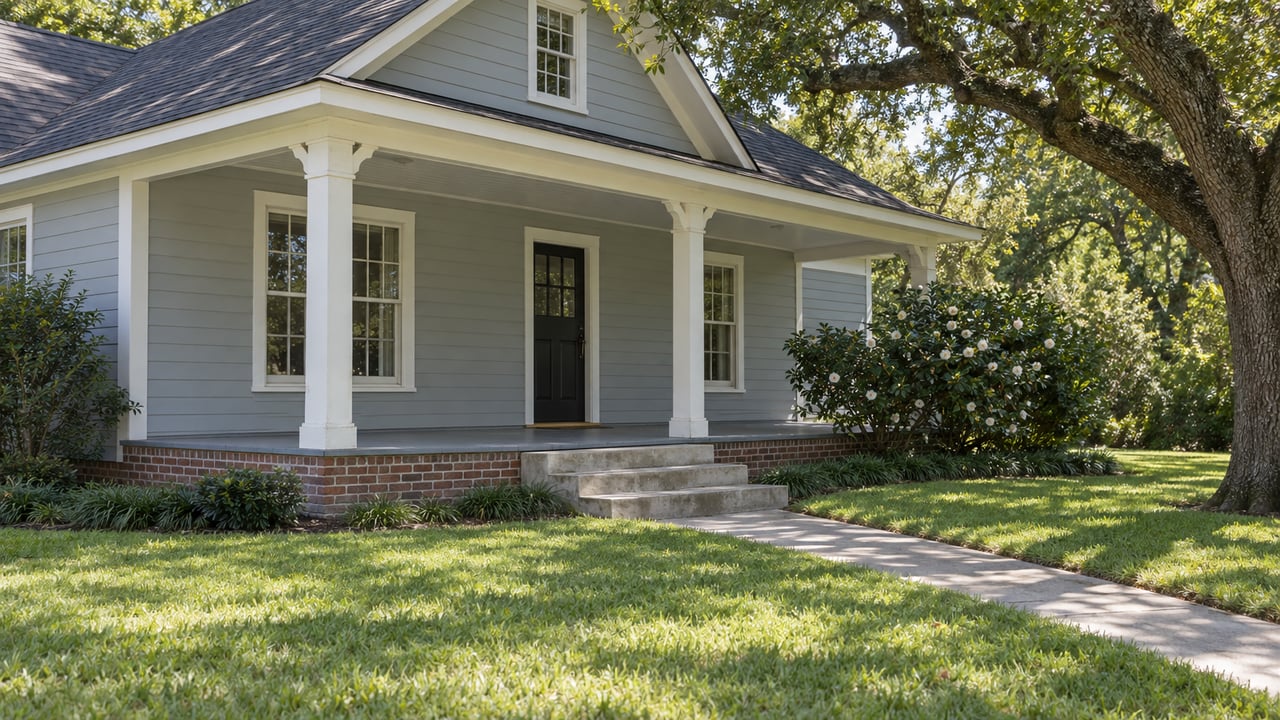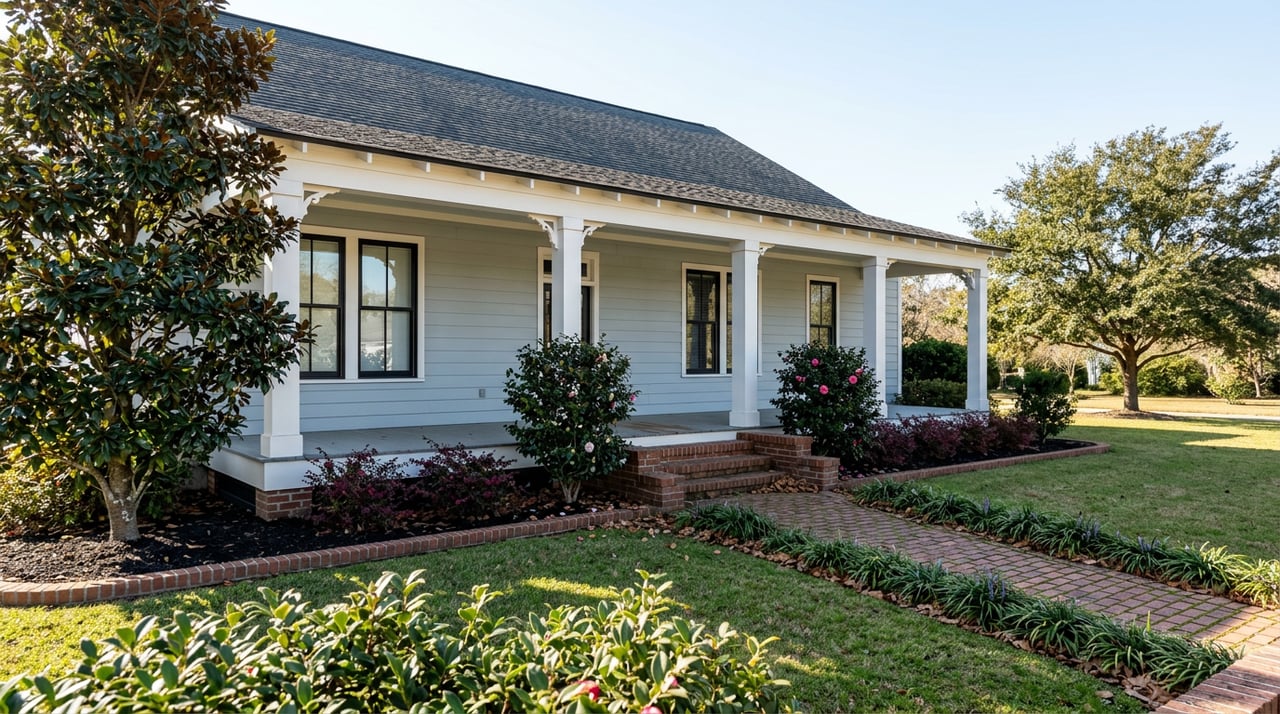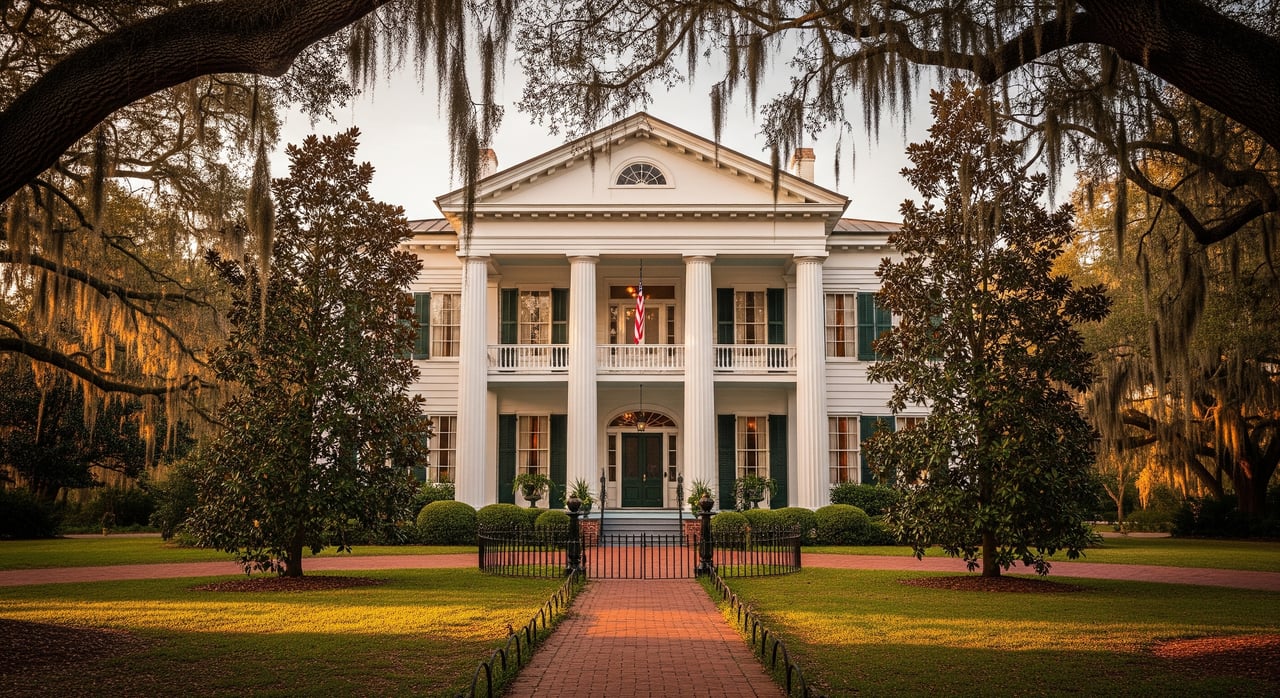
Imagine afternoon light pouring through tall windows, a ceiling fan turning lazily over a deep front porch, and the sound of footsteps on wide-plank floors. If you feel at home in that picture, Eufaula’s historic houses might be calling you. You want character, walkability, and a small-city pace near the river, without surprises you could have avoided. This guide explains the lifestyle, architecture, renovation realities, rules, and resources that shape daily life in Eufaula’s historic homes. Let’s dive in.
Historic Eufaula at a glance
Eufaula is known for a remarkable collection of antebellum and turn-of-the-century homes near downtown and the Chattahoochee River. The city’s historic district is recognized on the National Register of Historic Places, which highlights its architectural and cultural significance. You can learn more about the National Register program through the National Park Service’s overview of the National Register of Historic Places.
You will find tree-lined streets, a compact downtown, and easy access to river recreation. Many historic properties sit within a short walk or quick drive of shops, local eateries, parks, and the waterfront. House tours and heritage events are part of the local calendar. They bring pride and visitors, and on tour days you may see more traffic and parked cars on certain streets.
Architectural styles you will see
Greek Revival and antebellum details
Many mid-19th-century homes feature symmetrical facades, full-height columns, and generous porches. Inside, expect tall ceilings, plaster walls, heavy millwork, and heart-pine or oak floors. Floor plans often follow a center-hall or side-hall layout with formal rooms up front and bedrooms above. Kitchens were once detached or at the rear, and many were later integrated into the main structure.
Victorian variety
Late-19th-century homes often lean Victorian, with asymmetrical fronts, bay windows, decorative brackets, and wraparound porches. Floor plans usually have more segmented rooms than modern open concepts. You may see a formal parlor, a den or office, and smaller bedrooms that reflect the era.
Craftsman and bungalows
Early-20th-century Craftsman and bungalow homes are typically one to one-and-a-half stories with broad porches, exposed rafter tails, and built-ins. These homes offer efficient layouts with single-level living, which is helpful if you prefer fewer stairs.
Outbuildings and options
Some properties include carriage houses, detached garages, or utility buildings. These structures can sometimes become offices, guest spaces, or accessory dwelling units. Any conversion or exterior change will be subject to permits and, in some neighborhoods, design review.
Daily life and walkability
If you enjoy walking to dinner, the coffee shop, or a weekend event, the historic neighborhoods can fit your routine. Sidewalks and mature shade trees make short strolls pleasant. When house-tour season or festivals arrive, you may see more activity and downtown parking can be tighter. On most days, the streets feel residential and calm, and the river is always close for fishing, boating, or a picnic at the park.
Comfort, storage, and layout tips
Formal rooms and compartmentalized layouts are part of the charm. This also means you will likely have separate parlors and dining rooms instead of one large open space. The good news is that tall ceilings and large windows support airflow, and many owners upgrade HVAC for year-round comfort. Storage can be tighter than in newer homes. Plan for thoughtful closet solutions and consider using attics or basements if conditions allow.
Sound travels differently in older structures, but thick walls and deeper setbacks often provide privacy. If your street is on a tour map, expect more foot traffic on those dates. Most owners learn the event calendar and plan around it.
Renovation and maintenance reality
Common conditions in older homes
- Structural: settling and uneven floors, older foundations, and porch sag are not uncommon.
- Moisture and rot: porch columns, sill plates, wood siding, and floor framing can be vulnerable in the Southeast climate.
- Systems: outdated electrical, aging plumbing, and older HVAC may need replacement.
- Potential hazards: pre-1978 paint can contain lead, and some materials may include asbestos. Use certified pros if you plan to disturb them.
- Decorative elements: plaster cracks, original windows that need attention, and intricate trim that rewards careful restoration.
Smart inspection and project sequence
Before you buy, schedule a full home inspection with someone who understands historic construction. Add a termite inspection, and if you anticipate major changes, consult a structural engineer or preservation architect. If you move ahead, start with the envelope. Fix the roof, flashing, gutters, and drainage, then address mechanical systems. Finish with interior restoration and cosmetic work. This sequence protects your investment and helps you avoid rework.
Cost and trade-offs
Expect higher maintenance over time than a newer build. Specialized repairs like period-appropriate millwork, window restoration, or plaster work can cost more than modern replacements, but they retain value and character. Many owners choose to restore original wood sash windows and add storm windows as an energy-efficient middle path. Rear additions and sensitive kitchen or bath updates can blend modern function with historic charm, particularly when they do not change the public-facing facade.
The right team
Look for contractors experienced with historic materials and methods. Carpenters who can mill or repair old trim, plaster specialists, and system installers who know how to route work inside older framing will save you headaches. Local preservation organizations and state resources can often help you identify qualified professionals. The Alabama Historical Commission offers guidance and resources on preservation topics statewide. Start at the Alabama Historical Commission for program links and technical information.
Rules, incentives, and approvals
National Register vs. local rules
National Register listing recognizes a property’s importance but does not by itself restrict what private owners can do. Local design review and permitting are what typically set rules on exterior changes. If your property sits in a locally regulated district, you may need approval for alterations. To understand how the Register works, read the National Park Service overview of the National Register of Historic Places. Then check with the City of Eufaula’s planning and permitting offices about any local district boundaries and application procedures.
Federal, state, and local incentives
If the property is income producing, the Federal Historic Preservation Tax Incentives program may apply. The program offers a 20 percent tax credit for certified rehabilitations of eligible income-producing buildings. Learn more at the National Park Service page on Federal Historic Preservation Tax Incentives. For owner-occupied homes, federal incentives generally do not apply. State programs vary by year and funding. Review current options through the Alabama Historical Commission, and ask locally about small grants or facade programs that may help with exterior work.
Permits, timelines, and flood checks
Expect standard building permits for construction, plus electrical, plumbing, and HVAC permits. If your home is in a local historic district, allow extra time for design review and for sourcing specialized materials. Because Eufaula sits along the river and Lake Eufaula, it is wise to verify flood risk and insurance needs. You can check maps through the FEMA Flood Map Service Center.
A simple 3-step starting plan
Inspection and assessment. Hire a historic-savvy inspector and add pest and roof evaluations. If planning major structural changes, consult an engineer.
Verify rules and boundaries. Confirm whether the property is in a local historic district and request any design guidelines or covenants.
Scope, sequence, and quotes. Draft a preservation plan that tackles weatherproofing first, then systems, then finishes. Gather quotes from contractors experienced with historic materials.
Quick glossary
- Certificate of Appropriateness: A formal approval that some local historic districts require before exterior changes.
- Center-hall plan: A layout with a central hallway and rooms to either side, common in Greek Revival homes.
- Sash window: A traditional wood window with movable panels, often restored rather than replaced.
- Storm window: A secondary window added to improve efficiency while preserving original sash.
- Pilgrimage: A community-led tour of significant homes that brings visitors and supports local preservation culture.
Buyer checklist for Eufaula’s historic homes
- Schedule a full historic-home inspection, plus termite and roof checks.
- Request documentation of past renovations, permits, and warranties.
- Confirm local district boundaries and any design guidelines that affect exterior work.
- Verify flood zones and insurance requirements if the property is near the river or lake.
- Budget for ongoing maintenance and specialty trades.
- Outline a phased preservation plan: envelope, systems, then interiors.
Is a historic home right for you?
If you value craftsmanship, walkable streets, and a home with a story, Eufaula’s historic neighborhoods deliver. You will trade some open-plan convenience for formal rooms and original details, and you will plan for steady maintenance. In return, you get deep porches, tall windows, and a connection to the river town’s past that new construction cannot match. When you pair the right house with a realistic plan and the right team, life in a historic Eufaula home feels both grounded and uniquely yours.
Ready to tour historic homes and get practical advice on inspections, rules, and renovation plans? Connect with a local expert at chattahoocheerealtygroup.com to learn what fits your goals and budget.
FAQs
What makes Eufaula’s historic district significant?
- The area is recognized on the National Register of Historic Places for its concentration of antebellum and early-20th-century architecture near downtown and the river.
Do National Register homes in Eufaula limit what I can change?
- National Register listing alone does not restrict private owners. Local historic district rules, if they apply to your address, are what typically require design review for exterior changes.
How much maintenance should I expect with a historic Eufaula home?
- Plan for higher routine maintenance than newer builds, including moisture control, periodic wood repairs, and system upgrades, plus occasional specialty trades like plaster or millwork.
How do I check flood risk for a home near Lake Eufaula or the river?
- Review property risk using the FEMA Flood Map Service Center and confirm insurance requirements with your provider, especially for addresses near the river or lake.
Are there tax credits for restoring historic homes in Alabama?
- Federal tax credits primarily support certified rehabilitations of income-producing buildings. State programs vary, so review current options through the Alabama Historical Commission and check for any local programs.