Step inside the front door of Fendall Hall and the black-and-white marble floor moves a little under your shoes. It's supposed to. The tile has no grout and sits on a bed of sand. Christy Buchan, the site director, told WTVM that "you can kind of hear it or feel it a little bit. People get a kick out of that."
That floor is one of the few things in the entrance hall that dates from the year the house was finished. Look up and you are in a different decade.
Finished in 1860, Decorated in the 1880s
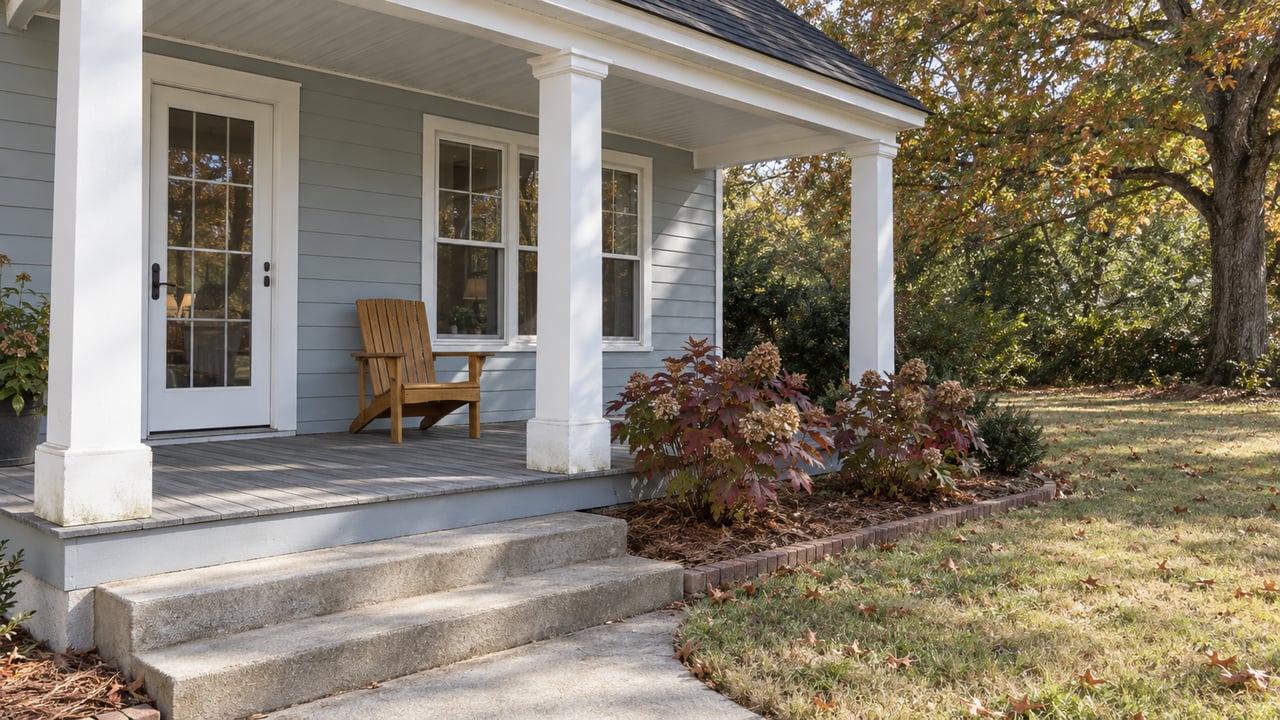
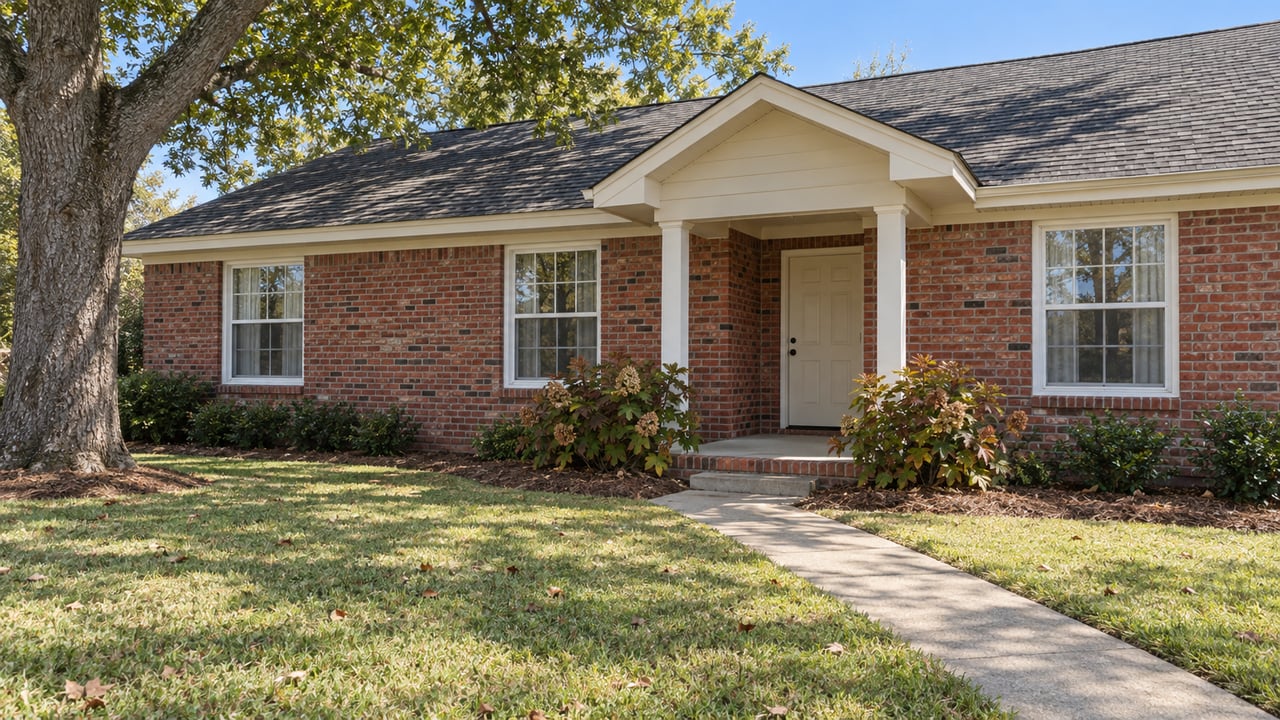
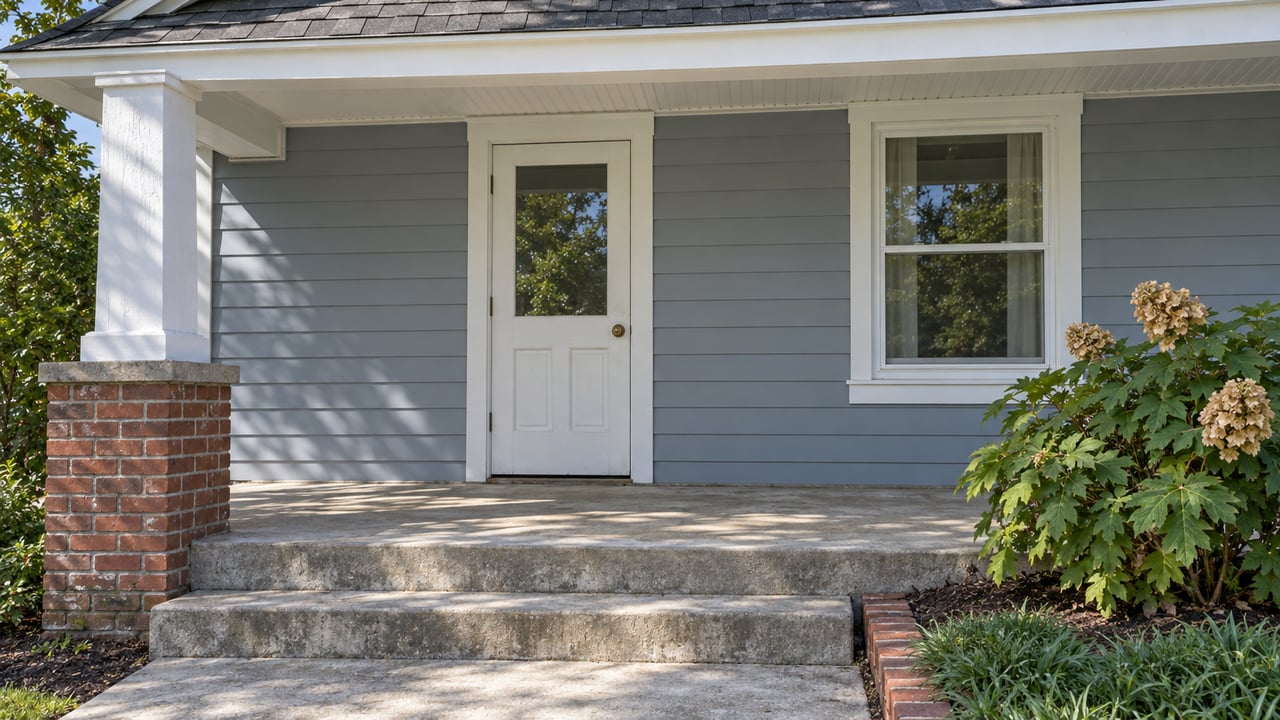
The house at 917 West Barbour Street is usually described by its construction date. Edward Young, a New York native and banker, moved to Eufaula from Georgia in 1837 with his wife, Ann Fendall Beall Young. He organized the company that built the town's first bridge across the Chattahoochee. In 1856 he picked out five acres in the College Hill section, and the house was finished in 1860.
The interior you tour today shows a later chapter. Young died in 1879, and his daughter Anna and her husband, Stouten Hubert Dent, moved in. The Alabama Historical Commission restored the interior to their years in the house, 1880 to 1916, which it describes as "a time when major changes occurred."
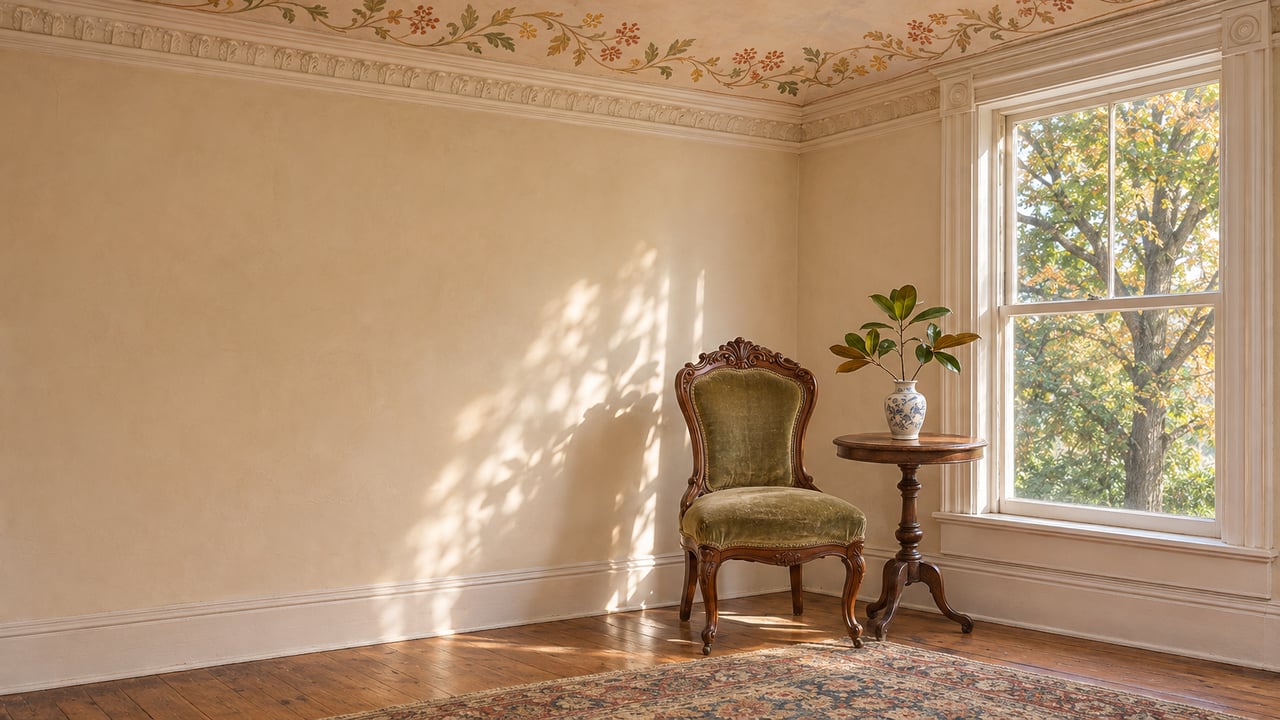
The biggest of those changes is overhead. The Dents hired D.F. Liefrank of Columbus, Georgia, to stencil and paint the walls and ceilings of the entrance hall, the drawing room and the dining room. The murals show flowers, cherubs, birds and fruit. WTVM dated the painting to 1884. Gas chandeliers went in during the same round of renovations and were wired for electricity in 1912.
Here is the house's timeline, so the rooms make sense once you're inside:
- 1837: Edward and Ann Young move to Eufaula from Georgia.
- 1856: Young chooses the College Hill site.
- 1860: The house is finished.
- 1879: Edward Young dies, and Anna and Stouten Hubert Dent take over the house.
- 1884: Liefrank paints the walls and ceilings.
- 1912: The 1880s gas chandeliers are wired for electricity.
- 1970: The house is listed in the National Register of Historic Places.
- 1973: The Alabama Historical Commission buys the house from the Young family.
Five generations of the family lived there before the sale to the state, Buchan told WTVM. According to the Encyclopedia of Alabama, a restoration of the interior that took several years was completed in 1999.
The Hands Behind the 1860 House
The Encyclopedia of Alabama says local architect George Whipple is believed to have been involved in the design. It also says skilled enslaved people did much of the work on the architectural details. When you look closely at the trim and finish work, keep in mind whose work it was.
The Commission calls it one of the first great Italianate homes built in Alabama. The style shows on the outside in the wide eaves, the veranda and the cupola on top. The Commission lists the Italianate details still inside: the marble entry, eight carved Italian marble fireplace surrounds, Baccarat crystal chandeliers and Bohemian cut-glass pocket doors. During the Civil War the house briefly served as a hospital for men wounded in the fighting near Atlanta. The name "Fendall Hall" apparently didn't come into use until the 1940s, when one of the builder's granddaughters used it. For most of its life, it was simply the Young house.
If you've toured other Eufaula houses, our guide to architectural styles you'll find in Eufaula homes shows where Italianate fits among them.
A Walk Through the Rooms
Knowing that the interior shows the Dent years changes how each room reads. Here is what to look for, in roughly the order a tour takes you.
The entrance hall
Stand on the sand-set marble and look up at the stenciling. You're seeing two dates at once: the 1860 floor under your feet and the 1884 ceiling above it.
The drawing room
This was the ladies' parlor. Buchan told WTVM that its furniture actually belonged to the family and was used by them. It's one of the three rooms Liefrank painted, so the family's own chairs sit under the ceiling they paid for.
The dining room
The house was planned with a gentleman's parlor, and the family made it their formal dining room. A second dining room became the master bedroom. Those changes show the family reshaping the 1860 floor plan around how they actually lived. The family living room was where they relaxed when no company was in the house.
The upstairs fitting room
Upstairs, past a few bedrooms furnished in period pieces, is a smaller room with a long list of uses. Buchan described it to WTVM:
"Back in the 1800s, women would have used this room to sew or to take tea. I've also read that they would use this as a birthing room when they had children."
The cupola
The cupola is the feature you can see from West Barbour Street, and it had a job. It was part of the house's original ventilation: hot air rose through the house and escaped out the open windows at the top. The Encyclopedia of Alabama also points out a ventilation grille and early indoor plumbing among the house's practical features.
The Garden Blooms in Winter
Most of Eufaula's garden season belongs to spring, when the Pilgrimage brings visitors to town. Fendall Hall's grounds follow a different calendar. Spring bulbs that Anna Young planted in the 1860s still come up every year, and the Commission says they bloom from November until late March. So a late-November visit catches them at the start of their run.
The bulbs aren't the only plantings left from the family's years. Camellias, azaleas and other shrubs still grow on the grounds, along with oak, pecan and red cedar trees a century old. Anna Young was living in her father's house when she planted those bulbs. She later came back as its mistress and commissioned the painted ceilings. The house and garden reflect the same person at two stages of her life.
Planning a Visit Over the Holidays
Fendall Hall is about a mile west of downtown, close enough to pair with lunch on East Broad Street when family is in town. These are the details posted by the Alabama Historical Commission:
- Address: 917 West Barbour Street, Eufaula, AL 36027
- Hours: Monday through Saturday, 10 a.m. to 4 p.m., closed on state holidays and during private events
- Admission: $10 for adults, $5 for military, free for children 12 and under
- Groups: Rates are available for 10 or more if booked in advance
- Contact: 334-687-8469 or [email protected]
The house is closed on Sundays, state holidays and during private events, so call before you plan a Thanksgiving-week visit around it. If you're bringing a crowd of relatives, ten people qualifies for the group rate with advance booking. The Commission's Fendall Hall page has current admission and contact information.
The house also hosts events between tours. WTVM reported that Fendall Hall holds weddings, dinner parties and other special events, including a quarterly floral-arranging class called Petals and Prosecco. The Commission takes meeting and event inquiries at the same phone number and email.
If Fendall Hall leaves your guests wanting to see more of Eufaula's houses, the town's private homes open in December. Our look at last year's Christmas Tour of Homes covers how that lineup has changed. In spring, the Eufaula Pilgrimage opens many more.
At Chattahoochee Realty Group, we think a lot about the stories older Eufaula houses carry, from the date on the plaque to the changes later owners made. If you own one of the town's historic homes and want to talk about what its history means today, our team would be glad to sit down with you. Get Exclusive Access to Top Listings.