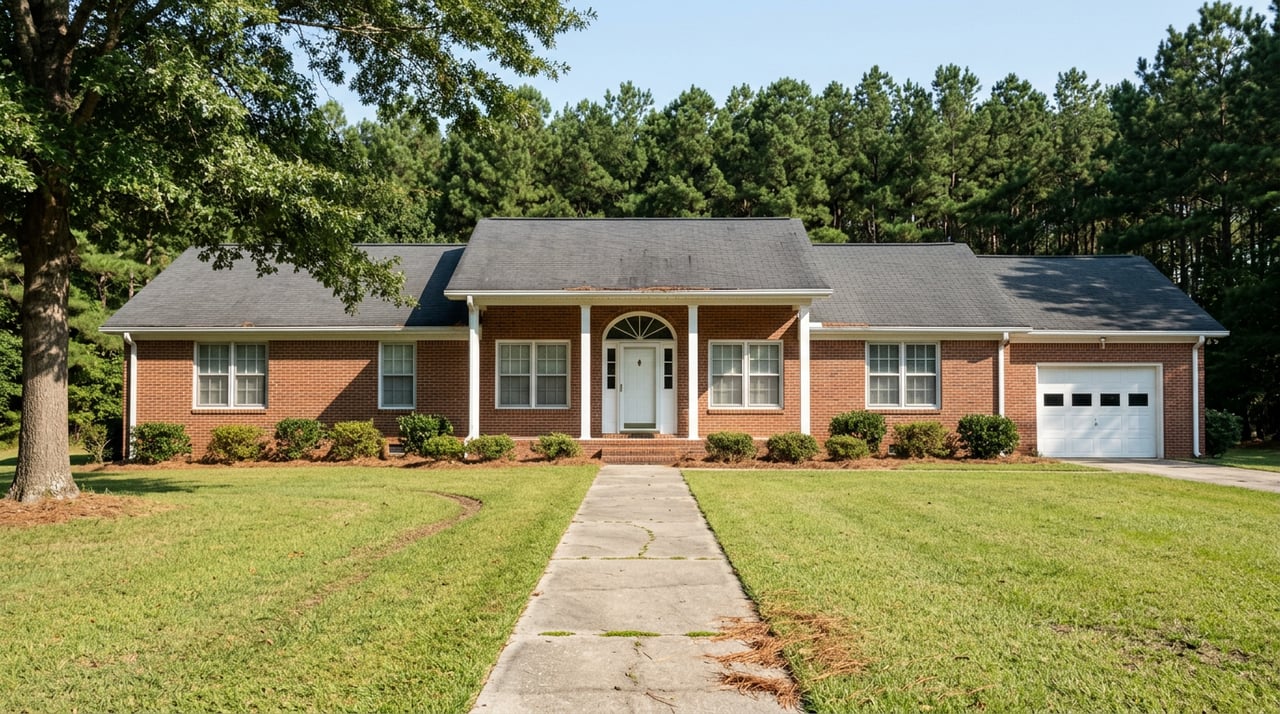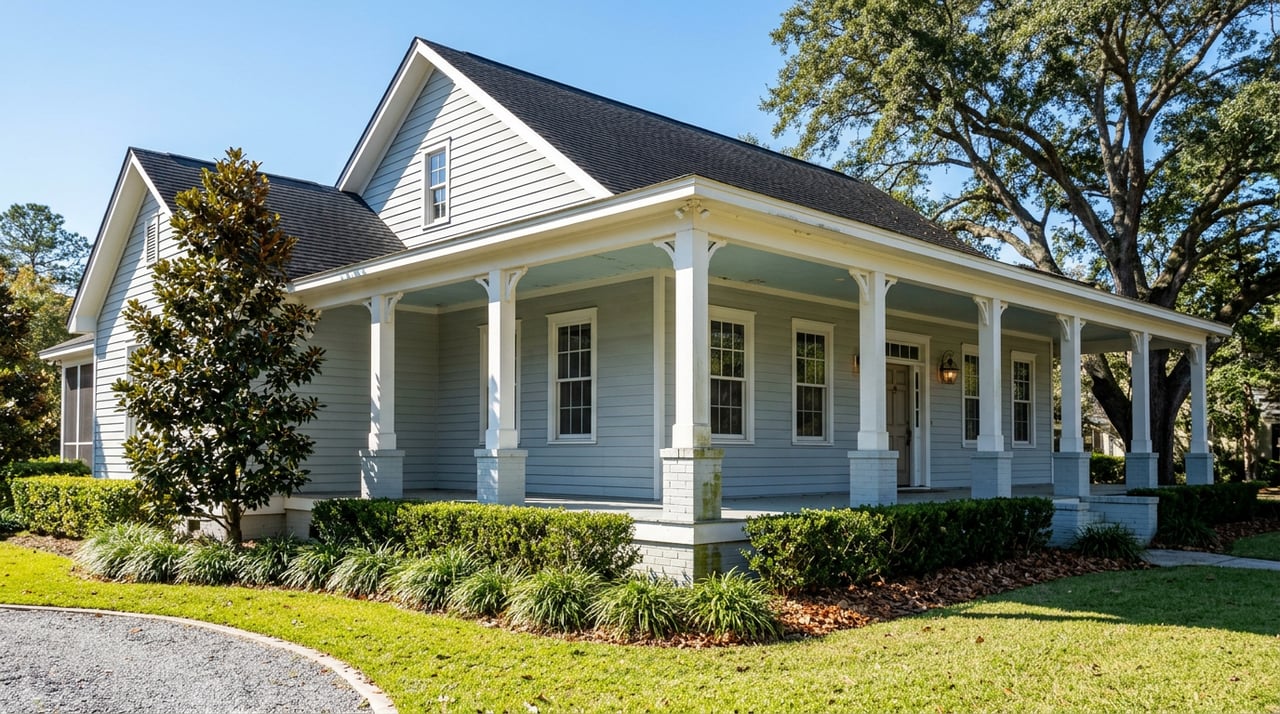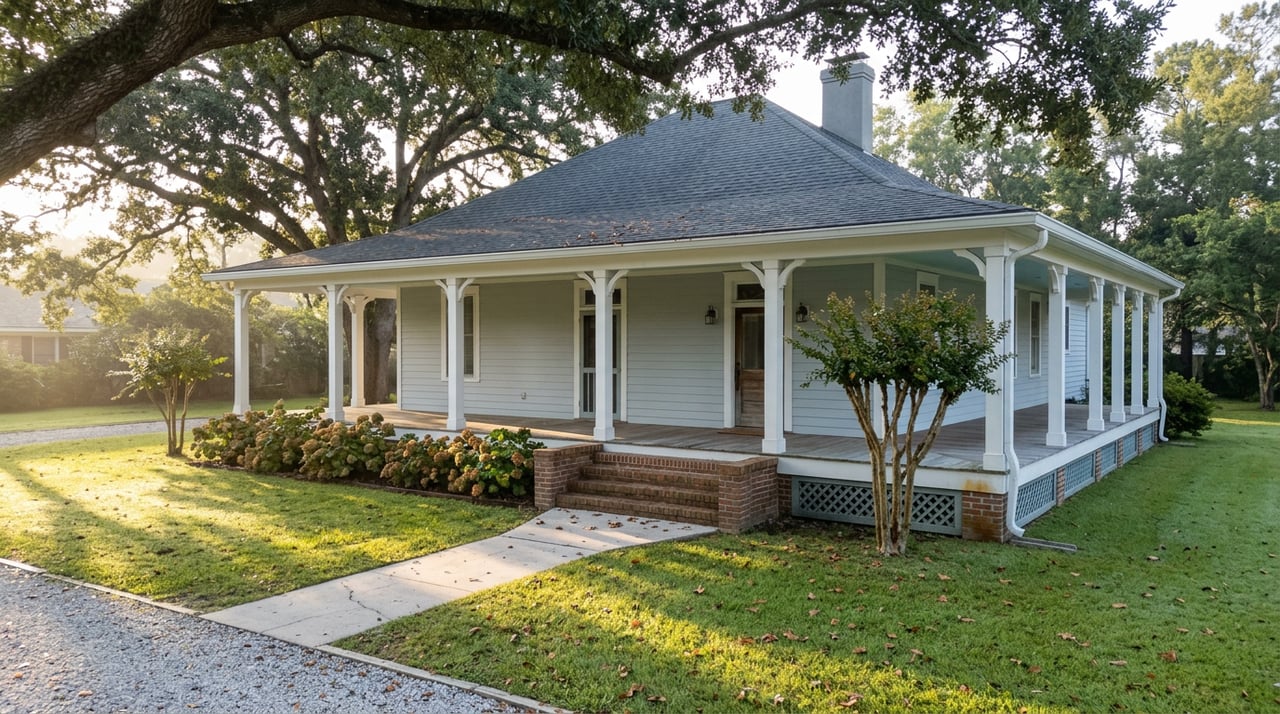
You've got the keys to your mother's house on one of Eufaula's shaded side streets, a signed will naming you executor, and a buyer's agent who's already asked when you can list. The natural assumption is that the paperwork lives here, in Eufaula, same as the house. You drive downtown, maybe to the courthouse annex on Broad Street, ready to get the estate opened and the sale underway.
That's where the detour starts. Barbour County splits its probate function across two towns, and the piece that actually has to happen before you can sell doesn't happen in Eufaula at all.
Two Offices, One County, Different Jobs
Barbour County has two probate offices because it has two courthouses, a legacy of how the county was organized long before anyone was thinking about closing timelines. The Barbour County Probate Office lists Judge of Probate Susan H. Shorter and a Clayton address, 1 Court Square, where the county seat sits. That's where hearings happen, where a judge signs an order authorizing a sale, where a contested estate gets argued. The Eufaula division, at 303 E. Broad St., Suite 101, handles recording, deed filing, and land records for the Eufaula side of the county, and keeps continuous hours, 8 a.m. to 4:30 p.m. The Clayton office closes for lunch between noon and 1 p.m., something worth knowing before you drive over expecting a walk-in appointment. The county's probate office also notes that title processing cuts off at 4 p.m. even on days the doors stay open until 4:30.
For a straightforward errand like recording a deed once the estate is settled, the Eufaula office is exactly where you want to be. For opening the estate, getting Letters Testamentary or Letters of Administration issued, or asking a judge to approve a sale, that business runs through Clayton. Heirs who assume "downtown" means "the courthouse where the judge sits" lose a trip, and sometimes lose a week, scheduling around it.
| Task | Where it happens |
|---|---|
| Opening the estate, appointment as executor/administrator | Clayton (Judge of Probate) |
| Court approval of a sale, hearings, contested matters | Clayton |
| Recording the deed after closing | Eufaula division, 303 E. Broad St. |
| Land record and deed searches | Eufaula division |
What "Authority to Sell" Actually Means
Before you can sign a listing agreement, the probate court has to issue Letters Testamentary, if there's a will naming you executor, or Letters of Administration, if there isn't. Until that document exists, title companies won't insure the sale and most buyers can't get financing against the property, no matter how cooperative the family is or how ready the buyer's agent is to write an offer.
Once those Letters are in hand, what happens next depends on whether your mother's will included a power-of-sale clause. If it did, under Alabama Code §43-2-844, you can list, negotiate, and close without going back to the judge for permission on every step. If it didn't, or if there's no will at all, the administrator has to file a petition, give the heirs at least ten days' notice, get the property appraised, and in many cases sell at no less than 90 percent of that appraised value. If the sale is being made to pay estate debts, the notice also has to run in a newspaper for three consecutive weeks before the hearing. After closing, the representative files a report of sale within 30 days, and the court confirms it. Skip that confirmation step when it's required, and you have a sale that can be challenged.
None of this makes a sale impossible. It does mean the calendar for an inherited Eufaula home rarely looks like the calendar for a standard resale, and the six months most families expect is often the floor, not the ceiling.
The Clock Nobody Can Shorten
Alabama gives creditors six months from the date Letters are granted to file claims against the estate. That's a statute, not a scheduling preference, and no judge in Clayton or anywhere else can waive it. Even a simple estate, one heir, no debts, a cooperative family, still sits inside that six-month window before the estate can be fully closed out.
In practice this means:
- A power-of-sale will can often get a house on the market within weeks of Letters being issued, since the sale itself doesn't have to wait on the creditor period, only the final distribution does.
- An estate without power-of-sale language usually takes longer up front, since the petition, appraisal, and hearing process adds weeks before a listing agreement can even be signed.
- Most Barbour County estates run somewhere between six and twelve months start to finish, longer if there's a dispute among heirs or if the will has to be located and validated.
If you're coordinating a sale from out of state, that timeline matters for more than patience. It shapes when you can reasonably expect proceeds, and whether it's worth maintaining insurance and utilities on a vacant house for the duration.
Two Things That Changed in Alabama This Year
Two pieces of 2026 legislation touch this process directly, and both matter more for heirs who don't live near Eufaula than for those who do.
The Alabama Property Protection Act takes effect October 1, 2026, and adds identity-verification requirements for remote real property transfers. If you're planning to sign closing documents from another state without traveling back to Eufaula, this is worth confirming with your closing attorney or title company before you assume the whole transaction can happen over email and courier.
HB 96, effective June 1, 2026, raised the homestead exemption that protects a home from creditors for owners who are 62 or older or disabled. It's a creditor-protection figure, not a change to the separate probate homestead allowance under §43-8-110, and it doesn't block a voluntary sale by a surviving spouse. It's easy to see a headline about a "bigger homestead exemption" and assume it slows down or complicates a sale. For most families settling an estate, it doesn't.
Why This Matters More in Eufaula's Older Neighborhoods
The mechanics above apply anywhere in Barbour County, but they carry more weight here than in a newer subdivision, because so much of Eufaula's housing stock is old enough to have changed hands informally, generation to generation, without a will ever being filed. The Seth Lore and Irwinton Historic District alone holds more than 700 structures, many dating to the mid-1800s, and homes of that age are exactly where you find heirs property, a home or parcel passed down to multiple descendants without a will, leaving everyone with a fractional, undivided interest instead of one person holding clear title.
Living in the house, paying the property taxes, even keeping up the yard for thirty years, none of that increases anyone's legal ownership share. If you're one of several cousins who all inherited a share of a great-aunt's house on a quiet street near downtown, you can't sell it on your own signature, and neither can anyone else. Alabama's Heirs Property Act does build in protections if a sale ever has to be forced, including a required appraisal and a buyout right for co-owners before any auction, but the cleanest path is still getting the title sorted through probate before a buyer's agent puts a sign in the yard. Legal Services Alabama walks through how heirs property gets created and what it takes to untangle it, and it's a useful first stop if you suspect a family property in Eufaula might be in this position.
What Doesn't Slow You Down
Two things heirs often worry about turn out to be non-issues here. Alabama has no state inheritance tax and no state estate tax, so the state isn't taking a cut of what you inherit. And because inherited property receives a stepped-up basis to its fair market value at the date of death for federal tax purposes, an heir who sells reasonably soon after inheriting typically owes little or no capital gains tax, since the taxable gain is measured from that stepped-up value forward, not from what the original owner paid decades ago. Once the deed is ready to record, that step happens back at the Eufaula division, where recording a deed runs $18 for the first page and $3 for each additional page, with a deed transfer tax of $1 per $1,000 of assessed value, according to the county's recording schedule.
A Short FAQ
Do all the heirs have to sign off before a house can be listed? No. Once a personal representative has Letters Testamentary or Letters of Administration, that person has the authority to sign the listing agreement and purchase contract on the estate's behalf. Family agreement is still the smoothest path, since disagreement can slow or stall a sale, but it doesn't take every heir's signature at the closing table.
Can we sell before the six-month creditor period ends? Often yes, particularly under a power-of-sale will, but the estate typically can't fully close and distribute proceeds until that window runs. Ask your probate attorney whether your specific estate allows a sale to proceed in parallel with the creditor period or whether it needs to wait.
What if there's no will at all? The court appoints an administrator, usually following Alabama's order of priority starting with a surviving spouse, then adult children. The process still requires Letters of Administration before any sale, and without a power-of-sale clause to rely on, court approval of the sale itself is more likely to be required.
Selling a house that's tied up in a Barbour County estate is a different kind of transaction than a standard resale, with its own calendar, its own paperwork, and its own courthouse to know about before you start driving downtown. Chattahoochee Realty Group has handled these sales alongside the families going through them, coordinating with the probate attorney, the title company, and the court schedule so the listing moves the moment the authority to sell is actually in hand. If you're an executor or heir trying to figure out where your Eufaula estate stands, get exclusive access to top listings and reach out to talk through what your specific situation actually requires.